
Word Oasis: Calm Puzzle Game
Oasis Games, Ltd.Word
4.9261.00 Reviews
- Version
- 1.14.5
- Installs
- 50.00K
- Age Rating
- Everyone
Screenshots
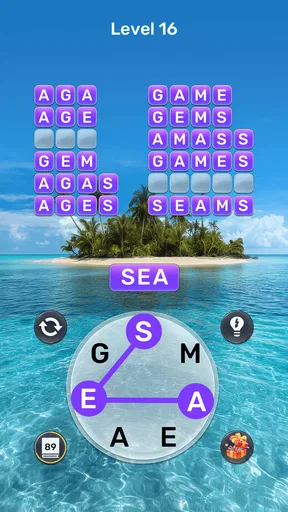
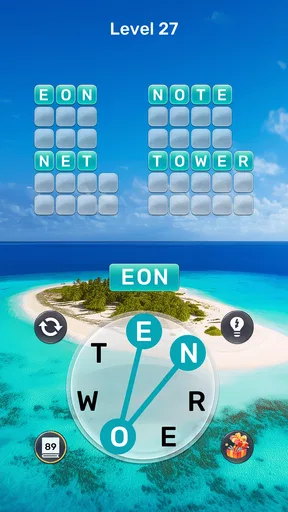
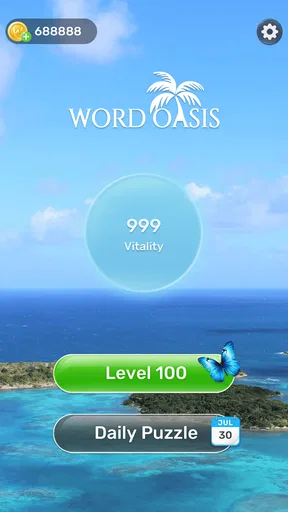
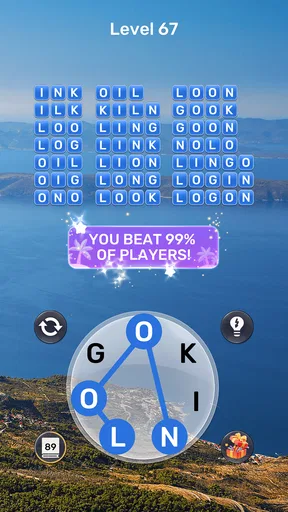
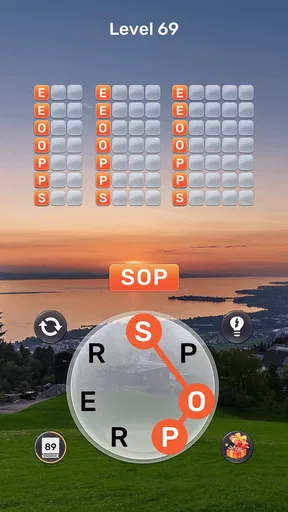

Our Review of Word Oasis: Calm Puzzle Game
 Analysis by Appyee
I approached Word Oasis: Calm Puzzle Game expecting a quiet word game rather than a fast, competitive challenge, and that is the right mindset for it. Developed by Oasis Games, Ltd., this free word title is aimed at players who want to pause, look at letters, and make progress without feeling rushed. Its store summary presents it as a calming word puzzle, and my experience matches that simple promise: the appeal is less about spectacle and more about giving your attention one small problem at a time.
That makes it easy to imagine using during a short break, while waiting for an appointment, or at the end of the day when a more demanding game would feel like work. It is also suitable for a broad audience because the content rating is Everyone and the minimum operating-system requirement is Android 6.0. The current version is 1.14.2, so anyone considering an older device should check compatibility before installing.
Getting comfortable with the puzzle flow
I’d use the first few boards to learn how the letters respond to a confident, simple choice before trying to solve everything at once. That gives you a steadier way to judge whether a tricky moment comes from the word you spotted or from the selection itself. Once that distinction feels clear, it becomes easier to decide when to keep exploring and when to take a short break.
What the first launch feels like
The first useful thing to understand is that Word Oasis is not trying to be a dictionary lesson or a timed spelling exam. I found it more enjoyable when I treated each board as a visual search exercise. Instead of immediately guessing the longest word I could think of, I scanned the available letters, noticed short combinations, and used those as stepping stones toward a solution.
That approach matters for a first-time player. A word game can feel difficult very quickly if you assume every move must be perfect. Here, the calmer presentation encourages a slower rhythm, but the game still asks you to pay attention. When I stopped trying to solve everything in one leap, the opening experience became much more reassuring.
The game is best suited to people who enjoy word discovery and light mental exercise. It can help fill a few spare minutes without requiring a large time commitment. I would not choose it for someone looking for elaborate storytelling, action, multiplayer competition, or a deep progression system. Its identity is deliberately narrower: find words, make decisions, and enjoy a gentle puzzle loop.
Setting up without overthinking it
Installation is straightforward for compatible Android devices, and the game is free to start. The listing shows optional in-app purchases ranging from $0.99 to $49.99 per item, so I recommend deciding in advance whether you want to keep the experience completely free. That small bit of preparation prevents an otherwise relaxing session from turning into an unplanned spending decision.
I also suggest opening the game when you have a few uninterrupted minutes rather than launching it while distracted. The early puzzles are a good time to learn how the letter arrangement behaves, how selections are made, and how the game communicates a correct result. Those details are more useful to learn through a couple of calm attempts than by tapping rapidly and trying to undo confusion afterward.
Because the game is categorized as a word title, expectations should stay realistic. It is not a replacement for a full vocabulary course, and I would not use it as a formal way to study a language. Words that feel obvious to one player may be unfamiliar to another, while common words may still be hidden by the way letters are positioned. The enjoyment comes from working through that small uncertainty.
How to reach the first meaningful success
My advice for the first puzzle is simple: begin with the shortest word you can confidently recognize. This gives you a low-risk first action and helps reveal how the board responds. Once you understand the selection pattern, look for a second word that shares letters or sits near a combination you already noticed. The goal is not to prove how quickly you can finish; it is to build a reliable visual habit.
A useful technique is to scan in three passes. First, look for familiar short words. Second, check whether a longer word can be assembled from letters that seemed unimportant during the first pass. Third, revisit the remaining spaces instead of assuming they require an entirely new idea. This method reduces random tapping and makes the puzzle feel more deliberate.
Another practical tip is to read the board in more than one direction. Players often search from left to right because that is how text is normally read, but a word puzzle may reward noticing vertical, diagonal, or otherwise unusual relationships between letters. I found that changing my viewing pattern was more effective than simply staring at the same area for longer.
Your first satisfying success will probably come when a word that looked hidden becomes clear after you have already made a few smaller discoveries. That moment is important because it shows the intended rhythm: observe, test a reasonable idea, learn from the response, and continue. If you make an incorrect move, treat it as information rather than failure. The calm design works best when you allow yourself that attitude.
A realistic everyday use
Imagine having ten minutes before leaving for work. You could open a social feed and lose track of time, or play one short session here with a clear mental stopping point. I found this kind of use particularly appealing because the game gives my attention a defined task without demanding the commitment of a long adventure or a competitive match.
The same applies to an evening routine. If I am too tired for a complicated strategy game but still want something more active than watching a video, a few word puzzles provide a middle ground. The activity is quiet, yet it is not passive. It asks me to notice patterns and make choices while keeping the overall mood light.
For families, the Everyone rating makes the game easier to consider as a shared casual option, although individual vocabulary levels will affect how enjoyable it feels. A younger player may enjoy discovering short words, while an experienced word-game fan may want more demanding challenges. I would play alongside a child rather than assume the game automatically teaches every rule or word.
Where new players may get confused
The biggest early confusion in a word puzzle is often not the vocabulary itself but the game’s expected input. A player may know the right word and still hesitate because the letter-selection behavior is not yet familiar. My solution was to slow down, try one clearly visible word, and watch exactly what changes after the move. Learning the interaction is part of the first puzzle, not a sign that you are playing badly.
It is also easy to overvalue long words. A long answer feels more impressive, but it may not be the best starting point. Short words can expose the board’s structure and make later choices easier. I recommend resisting the urge to force a complicated answer before you have checked the simpler possibilities.
Another source of friction is assuming that every visible letter must be used immediately. When I looked only for obvious groups, I sometimes missed a better route. A more patient scan helped me separate letters that were useful now from letters that might matter after another word had been found. That is a small but meaningful change in how the game is approached.
Players who expect a traditional crossword may also need a moment to adjust. A crossword usually gives you clues and fixed answer spaces; this game’s pleasure is more immediate and visual. Conversely, someone who enjoys anagram-heavy games may find the experience less satisfying if they want a constant stream of increasingly obscure vocabulary. The right comparison is with relaxed mobile word puzzles, not with a newspaper puzzle book.
How it compares with familiar alternatives
Compared with a crossword app, Word Oasis feels less dependent on reading clues and more focused on recognizing combinations directly. That makes it easier to pick up when I do not want to interpret a question, but it may feel less rewarding to someone who loves clue construction and wordplay. Compared with a competitive word game, it is a better fit for private, low-pressure sessions and a weaker fit for players who need rankings, opponents, or a sense of urgency.
Compared with a spelling or vocabulary app, it is more entertaining and less instructional. I can use it to exercise attention and recall, but I would not expect structured lessons, progress tracking for language study, or explanations of why a word is correct. That distinction helps set the right expectations before installation.
The free entry point is another advantage over paid puzzle collections, especially for someone who wants to test the style before committing. At the same time, the optional purchase range means cautious players should avoid assuming that every part of the experience is necessarily free. I appreciate having a no-cost starting point, but I would keep purchase controls in mind if a child will be using the device.
Small habits that make sessions better
One of the most useful habits is to stop briefly after a mistake instead of immediately trying another random combination. Ask what the failed attempt revealed: was the word not accepted, was the selection path wrong, or did the board simply require a different order of attention? That pause turns frustration into a practical clue.
I also recommend playing with a consistent personal routine. For example, begin with a complete scan, try the safest short word, then reassess the remaining letters. This is more dependable than tapping whatever catches your eye first. Over several sessions, the routine makes the game feel less mysterious and helps you notice patterns earlier.
A third tip is to use the game as a transition activity rather than an endless background habit. A short session before bed, during a commute break, or between household tasks gives the calming design a clear purpose. If you prefer constant novelty, however, the quieter pace may eventually feel repetitive. In that case, a more varied puzzle collection would probably suit you better.
Who should install it, and who should skip it
I would recommend Word Oasis to someone who likes word puzzles but wants a gentler alternative to timed challenges. It is also a good choice for casual players who want an easy first step into mobile word games, people who enjoy pattern recognition, and anyone looking for a compact activity that does not require learning a large fictional world.
I would be more cautious about recommending it to players who need detailed explanations, competitive systems, or a strong sense of long-term achievement. It may also disappoint people who want a serious vocabulary-building tool. The calming presentation is a strength when you want low pressure, but it can feel too restrained if your favorite games depend on speed, surprise, or constant escalation.
The audience response is encouraging, with a 4.9 average from around 1.1 thousand ratings, while the game has passed 10 thousand installs. Those figures suggest that the focused concept is connecting with its intended audience, though they should not replace your own expectations. A high average does not make every word game enjoyable for every player; the important question is whether you want a calm, visually driven puzzle rather than a competitive or educational one.
My recommendation after settling into it
After spending time with it, I see Word Oasis as a deliberately modest game that succeeds when it stays in its lane. It gives me a quiet way to search for words, test my attention, and complete a few puzzles without turning the session into a performance. The developer, Oasis Games, Ltd., has positioned it clearly as a calming word experience, and that clarity is one of its strongest qualities.
There is some friction in learning the interaction, and players may occasionally feel that the board expects them to notice relationships they have overlooked. The optional purchases also deserve awareness, particularly for families. Still, those concerns are manageable if you begin slowly, learn the selection behavior through the first puzzle, and treat each attempt as part of the discovery process.
My practical advice is to install it when you want a low-pressure word break, not when you are searching for a full-featured competitive game. Start with short, certain words, scan the board again after every successful move, and give yourself permission to pause. If that rhythm sounds appealing, this free Everyone-rated game is an approachable place to begin. If you need clues, opponents, lessons, or dramatic progression, choose a different word-game style instead.
Privacy and Permissions
See what permissions an app requests and how it handles your data.
- Wi-Fi connection information
- view Wi-Fi connections
- Other
- view network connections, full network access, control vibration, prevent device from sleeping, Google Play license check
Verdict
Strengths of Word Oasis: Calm Puzzle Game
- Relaxing gameplay with no time limits or stressful challenges.
- Simple word puzzles are easy to learn and suitable for casual players.
- Soothing visuals and music create a peaceful playing atmosphere.
- Works well for short sessions during breaks or before bedtime.
- Gradually increasing difficulty keeps the puzzles engaging over time.
Limitations of Word Oasis: Calm Puzzle Game
- Some puzzles may feel repetitive after extended play sessions.
- Hints can make easier levels feel less rewarding.
- Progress may depend on an internet connection in certain situations.
- Players seeking competitive features may find the experience too quiet.
- Ads or optional purchases can interrupt the otherwise relaxing flow.
Similar Picks in This Category
View All
Word Search - Word Puzzle Game
Bluetile4.8

Word Search Quest - Puzzles
Blackout Lab4.8

CodyCross: Crossword Puzzles
Fanatee, Inc.4.7

Words of Wonders: Crossword
Fugo Games4.9

Wordscapes: Word puzzle game
PeopleFun4.7

Word Search Explorer
PlaySimple Games4.9
Frequently Asked Questions
What is Word Oasis: Calm Puzzle Game?
Word Oasis: Calm Puzzle Game is a relaxing word puzzle designed for players who enjoy vocabulary challenges without a stressful timer or overly competitive atmosphere. You solve word-based levels, usually by connecting or arranging letters to complete objectives, while progressing through a peaceful visual setting. Its gentle presentation makes it suitable for short breaks, casual play, or longer sessions when you want something mentally engaging but calming.
How does the gameplay work in Word Oasis?
The game combines familiar word-search mechanics with a calm, level-based progression system. You are generally given a group of letters and must discover valid words according to the current puzzle’s requirements. Some stages are straightforward, while later ones may require broader vocabulary and more careful thinking. The controls are simple and touch-friendly, so most players can begin playing immediately without a lengthy tutorial.
Can Word Oasis: Calm Puzzle Game be played offline?
Many of the core puzzles can typically be enjoyed without a constant internet connection, which makes Word Oasis convenient for travel, commuting, or areas with unreliable mobile data. However, certain features may require online access, including advertisements, cloud synchronization, updates, reward collection, or optional social and promotional content. It is best to open the game online at least once after installation and check which functions remain available offline on your device.
Is Word Oasis free to download and does it contain ads or in-app purchases?
Word Oasis: Calm Puzzle Game is generally offered as a free download, allowing players to try the main experience without paying upfront. Like many free mobile puzzle games, it may support its development through advertisements and optional in-app purchases. These purchases can potentially provide hints, remove ads, or offer other conveniences. Before downloading, review the store listing and your device’s purchase settings, especially if children may use the app.
Is Word Oasis suitable for children and players who are new to word games?
The calm pace and straightforward touch controls make Word Oasis approachable for beginners, including players who do not regularly play word games. Nevertheless, difficulty can increase as you advance, and some puzzles may depend on English vocabulary that younger players or non-native speakers do not know. Parents should also review the listed age rating, advertising behavior, and purchase options before allowing children to play without supervision.
Play our best games!


